
Accrued liabilities and accounts payable are both critical components of a company’s financial statements, yet they represent different types of obligations. Accrued liabilities are expenses that a company has incurred but has not yet paid, such as wages, interest, or taxes. These liabilities are recognized in the accounting period in which they occur, even though the actual payment may be made later.
Managing Cash Flow
The stuff that’s harder to sell, like plant, property, and equipment, sits at the bottom. On the other side, you have Liabilities and Equity – a brutally honest list of everyone you owe money to, which, surprise, also includes the owners (that’s the equity part). These are the long-haul assets, the things you don’t plan on converting to cash within a year.
Assets vs. liabilities: differences and examples

By recognizing revenue and expenses when they are earned or incurred, regardless of when cash is received or paid, companies can provide a more accurate picture of their financial health. Accruals are a type of accounting adjustment that is used to recognize expenses or revenues that have been incurred but not yet paid or received, respectively. They are an essential part of accrual accounting, which is the most widely used method of accounting in the business world. At period-end, compare your estimates for accrued liabilities against the actual cash payments you made to close out your books. Make the proper journal entry adjustments as needed for any expenses that ended up being less or more than you anticipated. The idea is that accounting for accrued liabilities provides an accurate representation of your current financial position, even if a cash transaction has not taken place.

Financial Position
Once the product or service is supplied, the unearned revenue liability decreases as the asset is recognized on the balance sheet. The most common example of unearned revenues is membership subscriptions and magazine subscriptions where payment is collected upfront but the service is provided over an https://vocvmhss.org/what-is-estimation-in-maths-definition-examples/ extended period. In accounting, a liability refers to an obligation or debt owed by a business or individual. It represents an economic benefit to be received in the future, as opposed to assets, which represent ownership of resources and property. In this section, we will explore several common types of liabilities and their significance. Liability is a financial obligation of the company to pay back a loan, taxes, salaries, or other legal or financial obligations to another party, they can be short or long-term.

Finding missing accrued expenses
Lenders, investors, and auditors pay attention to this when deciding whether normal balance to trust the business with more money. These types of liabilities usually don’t appear on the balance sheet unless there’s a high chance they’ll happen and the amount can be reasonably estimated. Otherwise, they’re just disclosed in the financial statement notes. They’re possible obligations, i.e., things a business might have to pay, depending on what happens in the future. They’re not guaranteed, but you still need to track them as they could become real.
Radiology vs Radiography: Difference and Comparison
- While expenses can sometimes create liabilities (like when you receive a bill and haven’t paid it yet), they’re not the same thing.
- Instead of manual entry, our platform allows employees to submit expenses directly through apps like Text Messages, Gmail, Outlook, and Slack, making expense reporting quick and effortless.
- Liabilities are recorded on the balance sheet and impact assets and equity.
- This could include loans from a bank, unpaid bills to suppliers, wages owed to employees, or taxes that haven’t been paid yet.
- This confusion stems from the fact that both terms represent outflows or obligations that ultimately reduce a company’s economic value.
It also are expenses liabilities helps you secure financing from a bank, lender, or investor. A creditor might ask to review your balance sheet to determine the level of risk involved in working with you. The higher your liabilities, the bigger risk you are to the creditor.
- As we touched on above, accounts payable represents the amounts you owe to suppliers or vendors for goods or services you’ve received but haven’t paid for yet.
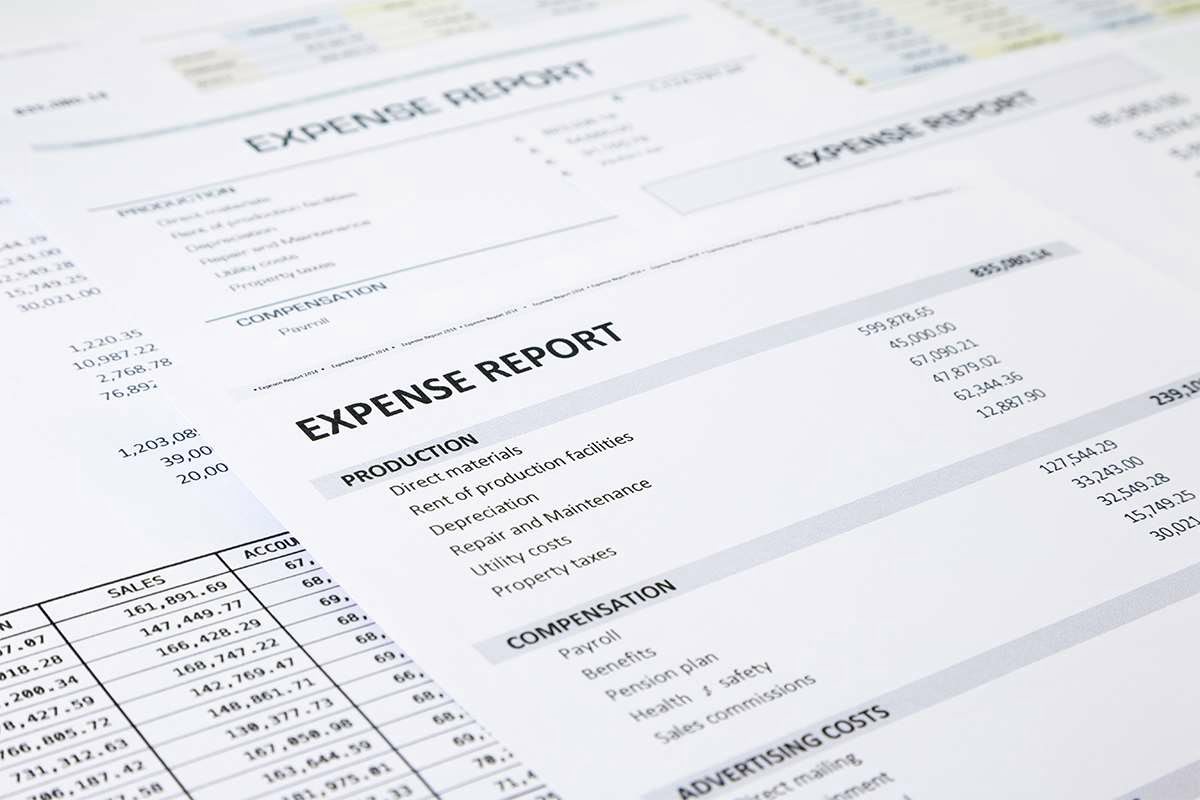
- Expenses refer to the costs incurred in the normal course of business operations, such as salaries, rent, utilities, and supplies.
- Both record expenses in the period when goods or services are received.
- Cash accounting is commonly used by small businesses and individuals.
- To recognize an accrued liability, the expense must be incurred, measurable, and expected to be settled in the future.
Long-term liabilities include debts you pay over a period that is longer than a year. Liabilities refer to obligations that a business must fulfill within a specified timeframe. Accurately calculating liabilities is crucial for financial reporting, regulatory compliance, and maintaining operational stability. For significant, non-recurring expenses, such as professional services or project-based costs, direct communication with vendors is crucial.